
Scalp massage is defined as a therapeutic technique that uses mechanical stimulation of the scalp to activate the body’s relaxation response and reduce anxiety. Research confirms this is not just a spa indulgence. A 2026 randomized controlled trial found scalp massage reduced preoperative anxiety by approximately 32%, with anxiety scores dropping from 94.28 to 64.03 in the intervention group while the control group’s anxiety increased by 16%. Separate studies show regular sessions lower cortisol, norepinephrine, and blood pressure at statistically significant levels. Scalp massage works best as a complementary anxiety relief technique, not a standalone treatment. Used consistently, it gives you a low-risk, evidence-backed way to support your mental well-being.
Can scalp massage reduce anxiety? Here’s what the science shows
Scalp massage reduces anxiety by activating the parasympathetic nervous system, the branch of your nervous system responsible for rest and recovery. When you apply pressure to the scalp, sensory receptors send signals that shift your body away from the fight-or-flight stress state and into a calmer, more regulated mode. This shift is measurable. A 10-minute head massage increased heart-rate variability by 66%, a key marker of parasympathetic activation. Higher heart-rate variability (HRV) directly correlates with better emotional regulation and stronger stress resilience.
The biological process behind these effects is called mechanotransduction. This means physical pressure on the scalp triggers changes at the cellular level, including reductions in cortisol and norepinephrine. Cortisol is your primary stress hormone. Norepinephrine drives alertness and tension. When both drop, your body physically relaxes. Scalp massage twice weekly for 10 weeks significantly lowered both hormones in a 34-person study, with blood pressure also falling at a statistically significant level (p < 0.05).
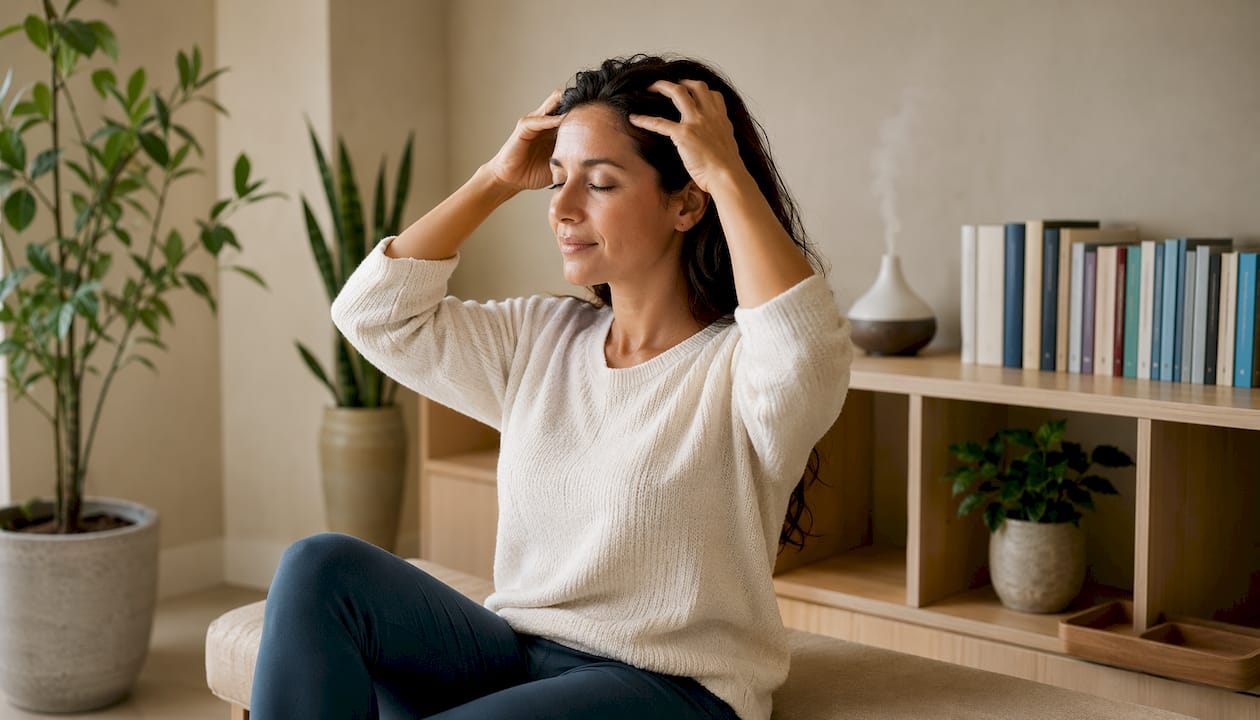
The type of pressure you use matters. Light circular motion feels pleasant but produces weaker biological effects. Firm, stretching-based pressure engages mechanotransduction more effectively and produces stronger changes in cortisol and scalp cellular activity. This is the key distinction between a relaxing touch and a technique that actually moves your stress markers.
Pro Tip: Start with firm, deliberate pressure using your fingertips rather than your palms. Move in slow, stretching motions across the scalp rather than fast circular strokes. This engages mechanotransduction and delivers measurably stronger anxiety relief.
What does scientific research say about scalp massage and anxiety?
The clinical evidence for scalp massage as an anxiety relief technique has grown substantially. The strongest recent data comes from a 2026 randomized controlled trial focused on women scheduled for cesarean sections, a high-anxiety clinical setting. The intervention group received head massage before surgery. Their anxiety scores dropped from 94.28 to 64.03. The control group, who received no massage, saw anxiety increase by 16%. That gap represents a clinically meaningful difference in a real medical environment.
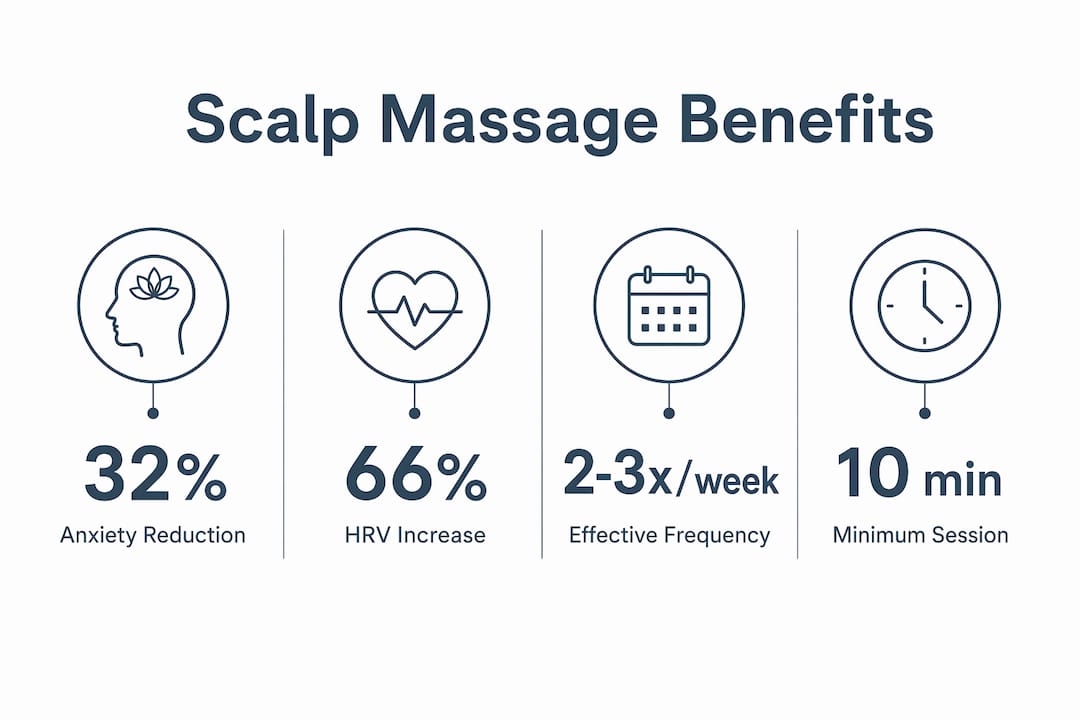
Research on office workers adds another layer. A 10-week protocol of twice-weekly scalp massage produced measurable reductions in cortisol, norepinephrine, and blood pressure. These are not subjective feelings of calm. They are objective physiological markers that clinicians use to assess stress load. The study’s 34 participants showed consistent results across all three markers.
Student populations show similar outcomes. A 30-minute massage session before an exam reduced anxiety scores from 58.79 to 51.68 in 38 college students, with results significant at p < 0.001. That level of statistical confidence means the effect is real and not due to chance.
| Population | Anxiety measure before | Anxiety measure after | Key finding |
|---|---|---|---|
| Preoperative patients (2026 RCT) | 94.28 | 64.03 | 32% reduction; control group increased 16% |
| College students (pre-exam) | 58.79 | 51.68 | Significant drop at p < 0.001 |
| Office workers (10-week protocol) | Elevated cortisol and norepinephrine | Reduced cortisol and norepinephrine | p < 0.05 across all stress markers |
“A single 10-minute head massage increased heart-rate variability by 66%, shifting the nervous system into a measurably calmer state. Across multiple populations, scalp massage consistently lowers anxiety scores, stress hormones, and blood pressure at statistically significant levels.”
Study limitations are worth acknowledging. Most trials use small sample sizes, ranging from 34 to 38 participants. Populations tend to be specific, such as students, surgical patients, or office workers. Broader, longer-term trials across diverse populations are still needed. That said, the consistency of findings across different settings strengthens the overall case for scalp massage as a genuine anxiety relief technique.
What are the best practices for scalp massage as an anxiety relief technique?
Getting results from scalp massage depends on how you do it, how often, and for how long. Clinical protocols that produced measurable anxiety reductions used sessions of 10–30 minutes, two to three times per week. Consistency matters more than session length. A 4-minute daily routine builds more benefit over time than an occasional 30-minute session.
Timing also affects outcomes. Performing scalp massage in the evening lowers cortisol before sleep, which helps you fall asleep faster and stay asleep longer. Reduced cortisol after massage directly lowers the hyperarousal that keeps anxious people awake at night. Morning sessions, on the other hand, set a calmer baseline for the day ahead.
Do’s and don’ts for self-administered scalp massage:
- Do use firm, deliberate pressure with your fingertips, not your nails
- Do move in slow, stretching motions rather than fast circular strokes
- Do cover the full scalp, including the temples, crown, and base of the skull
- Do start with 4 minutes daily and increase gradually as your routine builds
- Don’t apply pressure to areas with open wounds, skin conditions, or recent surgery
- Don’t expect immediate results from a single session; benefits accumulate over weeks
- Don’t use scalp massage as a replacement for prescribed anxiety treatment
- Don’t press so hard that you cause pain or discomfort
Choosing the right tool matters for long-term adherence. Fingertips work well for short sessions, but hand fatigue sets in quickly. Dedicated scalp massagers provide even pressure across the scalp and prevent the fatigue that causes people to cut sessions short. Consistent pressure is what drives the mechanotransduction effect, so your tool choice directly affects your results.
Pro Tip: Combine your scalp massage with slow, diaphragmatic breathing and a calming scent like lavender essential oil. Breathing activates the vagus nerve independently, and pairing it with massage creates a compounding relaxation effect that neither technique achieves alone.
How does scalp massage fit into a broader anxiety management plan?
Scalp massage supports anxiety management but does not replace it. Clinical experts are clear that scalp massage works best as a low-risk complementary practice alongside professional care, not as a substitute for therapy or medication when those are needed. Setting that expectation upfront prevents disappointment and keeps you using the technique consistently.
The strongest results come when scalp massage is part of a broader daily routine. Pairing it with mindfulness practice, structured breathing exercises, and regular physical movement creates a self-care system where each element reinforces the others. Scalp massage lowers cortisol. Mindfulness reduces rumination. Breathing activates the vagus nerve. Together, they address anxiety from multiple angles simultaneously.
Sleep is another area where scalp massage delivers compounding benefits. Lower cortisol after evening massage means less hyperarousal at bedtime. Better sleep improves emotional regulation the next day, which reduces the baseline anxiety you carry into daily situations. This is a cycle worth building. You can also explore reducing stress naturally at home for additional techniques that pair well with scalp massage.
Key ways to integrate scalp massage into a broader anxiety management approach:
- Pair evening massage with a consistent wind-down routine to reinforce sleep signals
- Use scalp massage as a grounding technique during acute anxiety episodes
- Combine with journaling or breathing exercises for a structured daily relaxation practice
- Track your anxiety levels weekly to notice gradual improvements over time
- Discuss your self-care routine with your therapist or doctor so they can support it
Key Takeaways
Scalp massage reduces anxiety by lowering cortisol and norepinephrine, activating the parasympathetic nervous system, and improving heart-rate variability, with clinical trials confirming measurable results across multiple populations.
| Point | Details |
|---|---|
| Clinical evidence is strong | A 2026 RCT showed a 32% anxiety reduction; student and office worker studies confirm consistent results. |
| Firm pressure drives results | Mechanotransduction requires deliberate, stretching pressure to trigger biological stress marker reductions. |
| Consistency beats duration | Starting with 4 minutes daily and building gradually produces stronger long-term benefits than occasional long sessions. |
| Sleep improves too | Lower cortisol after massage reduces nighttime hyperarousal, improving sleep onset and emotional regulation. |
| Complement, don’t replace | Scalp massage works best alongside therapy, medication, or other evidence-based anxiety treatments. |
Wellthious’s take on scalp massage for anxiety relief
The most common mistake people make with scalp massage is treating it like a passive experience. They do it once, feel a little calmer, and then forget about it for two weeks. The research is clear that the anxiety-reducing effects build over time through consistent practice, not through occasional sessions.
What I find most compelling about the science is the HRV data. A 66% increase in heart-rate variability from a 10-minute session is a significant physiological shift. HRV is one of the most reliable indicators of nervous system health, and the fact that something as accessible as scalp massage moves it that much deserves more attention than it typically gets.
The other thing worth saying directly: scalp massage is not a cure for anxiety disorders. If you are dealing with generalized anxiety disorder, panic disorder, or trauma-related anxiety, please work with a qualified professional. Scalp massage is a tool that makes the rest of your mental health work easier. It lowers your baseline stress level so that therapy, medication, and lifestyle changes have more room to work.
The people who get the most out of scalp massage are those who treat it like a non-negotiable part of their day, the same way they treat brushing their teeth. Four minutes in the evening, firm pressure, consistent technique. That is all it takes to start seeing the numbers move. If you want to understand why your scalp feels tense in the first place, learning about scalp tension and relaxation is a useful next step before building your routine.
— Wellthious
Wellthious tools for your scalp massage routine
Building a consistent scalp massage habit is easier with the right tool. The Wellthious™ Deep Tissue Massager is designed to deliver firm, even pressure across the scalp without hand fatigue, which is the main reason people abandon their routines. Its ergonomic design targets the mechanotransduction pressure levels that clinical research links to cortisol reduction and parasympathetic activation.
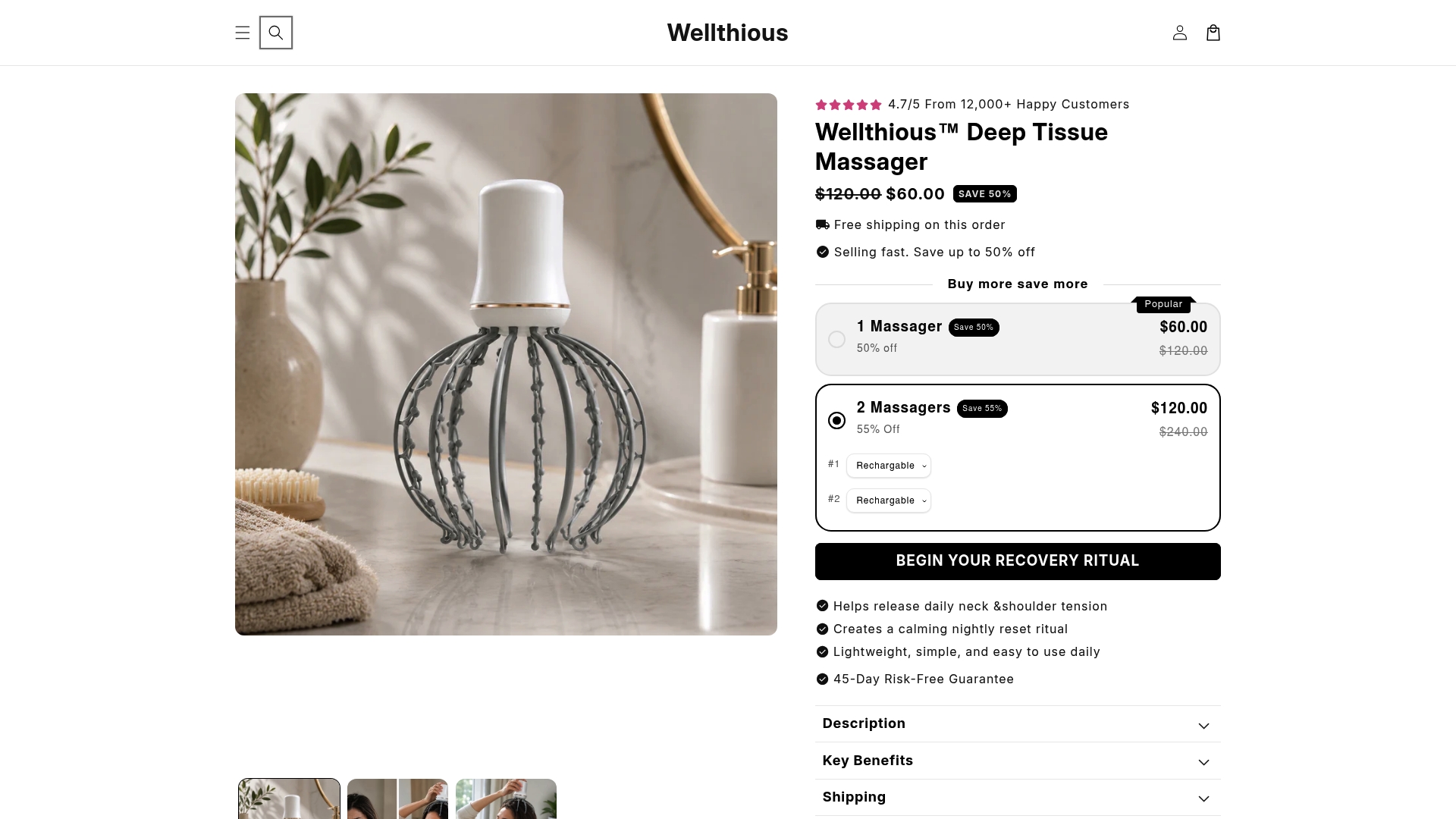
The Wellthious™ Stress Relief Massager offers a gentler option for daily use, ideal for evening wind-down sessions. Both tools are built to support the kind of consistent, pressure-controlled practice that produces measurable anxiety relief over time. You can browse the full range of relaxation tools at Wellthious to find the right fit for your routine.
FAQ
Does scalp massage actually reduce anxiety?
Yes. Multiple clinical studies confirm scalp massage lowers anxiety scores, cortisol, norepinephrine, and blood pressure at statistically significant levels. A 2026 randomized controlled trial showed a 32% anxiety reduction in the intervention group.
How long does a scalp massage session need to be?
Research shows benefits from sessions as short as 10 minutes. Starting with 4 minutes daily and increasing gradually is a practical approach that builds consistent results over time.
How often should you do scalp massage for anxiety relief?
Clinical protocols that produced measurable results used sessions two to three times per week. Daily short sessions also work well, particularly in the evening to lower cortisol before sleep.
Can scalp massage replace anxiety medication or therapy?
No. Scalp massage is a complementary technique that supports but does not replace professional anxiety treatment. Clinical experts recommend using it alongside therapy or medication, not instead of them.
What type of scalp massage pressure works best for anxiety?
Firm, stretching-based pressure outperforms light circular motion for anxiety relief. This technique engages mechanotransduction, the biological process that triggers measurable reductions in stress hormones.