
The best stress relief devices for home use work by directly activating your body’s parasympathetic nervous system, the biological system responsible for calming your heart rate, lowering cortisol, and shifting you out of fight-or-flight mode. These tools, formally called home wellness devices or at-home stress management aids, range from simple tactile products to clinically informed wearables. The right device depends on your stress pattern, budget, and daily routine. This guide covers the science behind how they work, the main categories available, what to look for before buying, and how complementary supplements can sharpen your results.
What are the best stress relief devices for home?
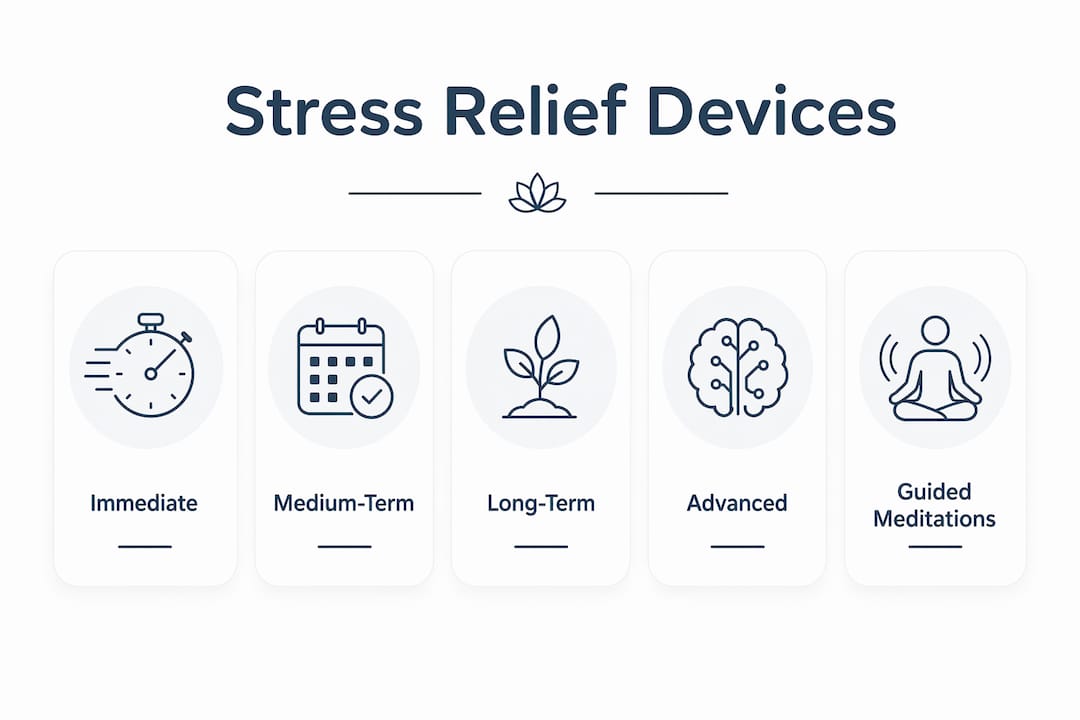
The best home stress relief devices fall into three tiers based on how fast they work and how deeply they engage your nervous system. Immediate tools disrupt acute stress within minutes. Medium-term tools shift your physiological state over 20–60 minutes. Long-term habit tools build stress resilience over weeks. Understanding this hierarchy of stress relief is the single most useful framework for choosing what to buy.
Immediate tools include stress balls, breathing trainers, and cold or warm compresses. Medium-term tools include aromatherapy diffusers, weighted blankets, heating pads, and sound machines. Long-term tools include biofeedback wearables, vagus nerve stimulators, and guided meditation hardware. Each tier serves a different need, and the most effective home setups use at least one tool from each tier.
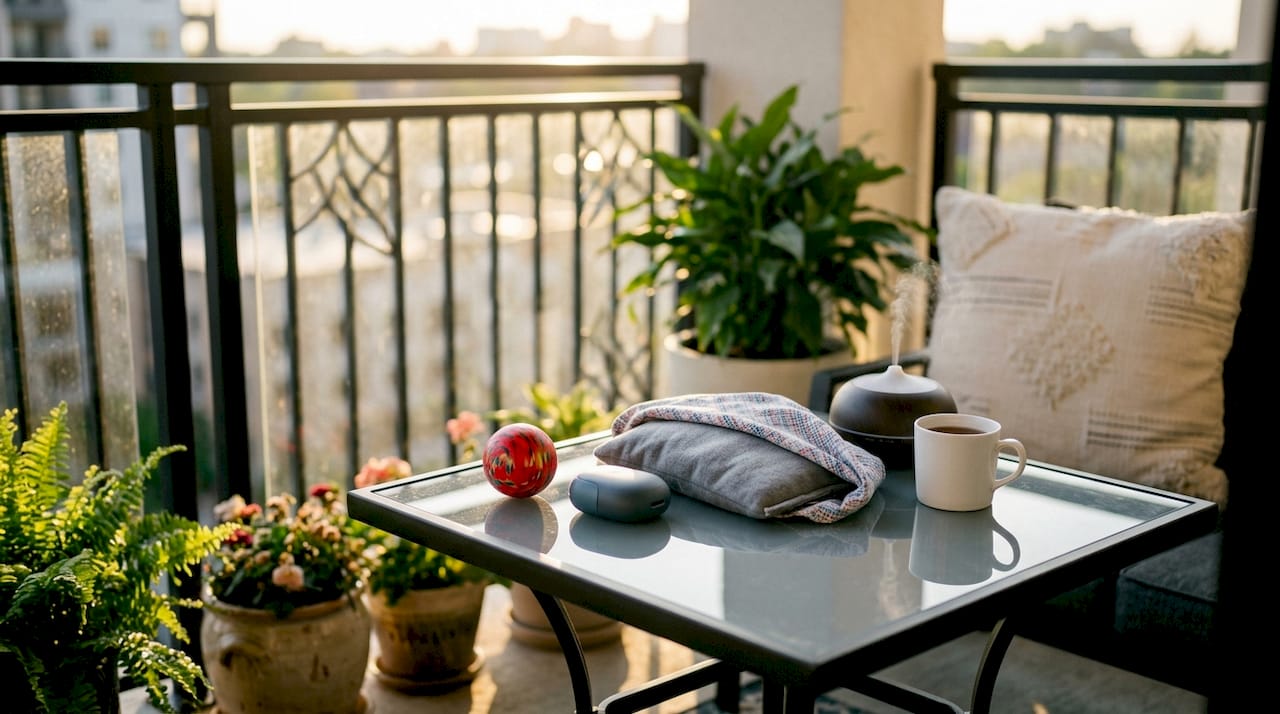
The physiological logic is straightforward. Controlled slow breathing, specifically inhaling for 4 counts and exhaling for 6–8 counts, lowers heart rate and cortisol within minutes by stimulating the vagus nerve. Devices that guide or pace your breathing, from simple visual timers to app-connected hardware, make this technique easier to practice consistently.
Pro Tip: Pair a breathing trainer with a sound machine set to rain or ocean sounds. The combination engages both auditory and respiratory pathways, which accelerates parasympathetic activation faster than either tool alone.
How do home stress relief devices work to reduce stress?
Every effective stress relief device works through one or more of three biological pathways: tactile pressure, sensory input, or electrical or vibrational stimulation. Knowing which pathway a device targets helps you predict whether it will work for your stress type.
Tactile pressure tools like stress balls and weighted blankets use physical contact to signal safety to the nervous system. Weighted blankets use deep pressure stimulation to reduce cortisol and increase serotonin and oxytocin. A standard weighted blanket should weigh about 10% of your body weight for optimal effect.
Sensory input tools work through smell, sound, and warmth. Aromatherapy diffusers using lavender essential oil have been shown to reduce cortisol and improve sleep quality. Use 3–5 drops of pure essential oil for 30–60 minutes to get a measurable effect. Sound machines playing nature sounds like rain or ocean waves reduce neural arousal and quiet the startle response. Heating pads applied to the upper body activate the parasympathetic nervous system and reduce muscle tension.
Vibrational and electrical stimulation tools represent the most advanced category. Wearable devices that deliver infrasonic waves and light vibrations to the vagus nerve are clinically recognized for treating stress, epilepsy, and depression. These devices are promising for home relaxation precisely because they target the same nerve pathway that clinical treatments use.
What are the main categories of effective relaxation gadgets?
Home calming devices break into four clear categories. Each serves a different budget, lifestyle, and stress profile.
Physical and tactile tools
This category covers stress balls, weighted blankets, heating pads, and massage devices. These are the most accessible and affordable options. Stress balls cost under $20 and provide immediate tactile relief. Weighted blankets typically run $40–$120 and deliver medium-term cortisol reduction. Heating pads and heated throws sit in the $30–$80 range and work well for evening wind-down routines. If you want to reduce stress naturally at home without medication, physical tools are the logical starting point.
Sensory and environmental devices
Ultrasonic aromatherapy diffusers, Himalayan salt lamps, and white noise or nature sound machines fall into this group. Diffusers range from $25 to $80. Sound machines run $30–$100. These tools work best as background support during work, sleep, or meditation. They are low-effort and easy to integrate into any room.
Wearable stress monitoring and stimulation devices
This is the fastest-growing category. Fitness trackers with stress monitoring, biofeedback devices, and vagus nerve stimulators all belong here. Home wellness devices range from under $20 for basic sensory tools to over $350 for advanced wearables with real-time stress monitoring. The higher price reflects clinical-grade sensing and app integration. These devices are best suited for people who want data on their stress patterns, not just relief in the moment.
Guided meditation hardware
This category combines physical devices with digital content. Eye massagers, breathing trainers, and sleep headbands that pair with guided meditation apps fall here. Combining guided content with physical devices improves focus on breathing and bodily awareness while reducing screen time before sleep. This makes them particularly useful for people who struggle to meditate without structure.
| Category | Price range | Best for | Ease of use |
|---|---|---|---|
| Physical and tactile tools | $20–$120 | Immediate and medium-term relief | Very easy |
| Sensory and environmental | $25–$100 | Background support and sleep | Easy |
| Wearable devices | $50–$350+ | Data-driven stress management | Moderate |
| Guided meditation hardware | $60–$200 | Structured relaxation routines | Moderate |
What should you consider when choosing home calming devices?
Choosing the right device comes down to four practical factors: your stress pattern, your budget, your comfort with technology, and how you plan to use it daily.
-
Match the device to your stress pattern. Acute, sudden stress responds best to tactile and breathing tools. Chronic background stress responds better to sensory environment tools and wearables. If you experience both, plan for tools from at least two categories.
-
Set a realistic budget. You do not need to spend $300 to get real results. A $40 weighted blanket and a $30 diffuser can produce measurable cortisol reduction when used consistently. Reserve high-end wearables for situations where you genuinely need stress data, not just relief.
-
Prioritize ease of use. Complex neurofeedback tools may overwhelm beginners, while simple tactile devices see higher daily adherence. A device you use every day beats a sophisticated one you avoid. Check setup time, app requirements, and maintenance before buying.
-
Build it into an existing habit. Habit stacking, attaching a new behavior to an existing one, dramatically increases consistency. Use your diffuser every time you make evening tea. Use your weighted blanket every time you sit down to read. The device becomes automatic rather than effortful.
-
Know the limits. Home stress relief devices aid stress management but do not replace clinical intervention. If you experience persistent anxiety, panic attacks, or depression, consult a healthcare provider. Devices are a complement to professional care, not a substitute.
Pro Tip: Before buying any wearable, check whether it requires a subscription for full functionality. Some devices cost $150 upfront but lock core features behind a $10–$20 monthly fee. Factor that into your total cost.
For a practical evening routine that incorporates these tools, the evening self-care routine guide from Wellthious offers a structured framework built around real devices.
Which supplements and complementary tools enhance stress relief at home?
Devices work faster and more consistently when your body’s chemistry supports relaxation. Three supplements have strong clinical evidence for stress modulation.
- Magnesium glycinate at 200–400 mg supports muscle relaxation and sleep quality. Magnesium deficiency is common and directly worsens stress sensitivity.
- Ashwagandha at 300–600 mg of a standardized extract lowers cortisol over 4–8 weeks of consistent use. It works best as a long-term support, not an acute fix.
- L-Theanine at 100–200 mg promotes calm alertness without sedation. It pairs well with breathing devices used during work hours.
These three supplements have clinical evidence supporting their roles in reducing cortisol and promoting calmness. Always consult a healthcare provider before starting any supplement, especially if you take prescription medications.
Environmental factors matter just as much as supplements. Dim lighting in the evening signals your brain to reduce cortisol and increase melatonin. A room temperature between 65–68°F supports deeper sleep, which is the most powerful stress recovery tool available. Pairing a sound machine with blackout curtains and a weighted blanket creates a sensory environment that reinforces every other tool you use. For more on why consistent daily relaxation compounds over time, the Wellthious article on daily relaxation habits explains the long-term biology clearly.
Key Takeaways
The most effective approach to home stress relief is stacking multiple device types across immediate, medium-term, and long-term tiers rather than relying on any single tool.
| Point | Details |
|---|---|
| Use a tiered approach | Combine immediate tactile tools, sensory devices, and long-term wearables for full coverage. |
| Ease of use drives results | Simple devices used daily outperform complex ones used occasionally. |
| Supplements amplify devices | Magnesium, ashwagandha, and L-Theanine support the same nervous system pathways devices target. |
| Budget wisely | Effective setups start under $100; reserve premium wearables for data-driven needs. |
| Know when to seek help | Devices support wellness but do not treat clinical anxiety or depression. |
What Wellthious has learned about stress relief at home
The most common mistake people make is buying one device and expecting it to solve everything. A weighted blanket is excellent. A diffuser is excellent. But neither one alone addresses the full stress cycle, which moves from acute spikes to chronic background tension to poor sleep and back again.
What actually works is building a short sequence. Use a tactile or breathing tool the moment stress spikes. Shift to a sensory environment tool, like a diffuser or sound machine, to hold a calmer state for 30–60 minutes. Then use a weighted blanket or heated throw to wind down before sleep. That three-step sequence covers all three tiers and takes less than five minutes of active effort.
The other thing worth saying directly: do not buy a device because it looks impressive. Stacking multiple stress relief methods works better than over-relying on a single mechanism, no matter how advanced that mechanism is. The people who get the most from home wellness tools are the ones who keep it simple, consistent, and layered. Start with one tool per tier. Use each one for two weeks before adding anything new. You will know quickly what your body responds to.
— Wellthious
Wellthious products for your home stress relief routine
Wellthious designs products specifically for the kind of layered, consistent stress relief routine described in this guide.
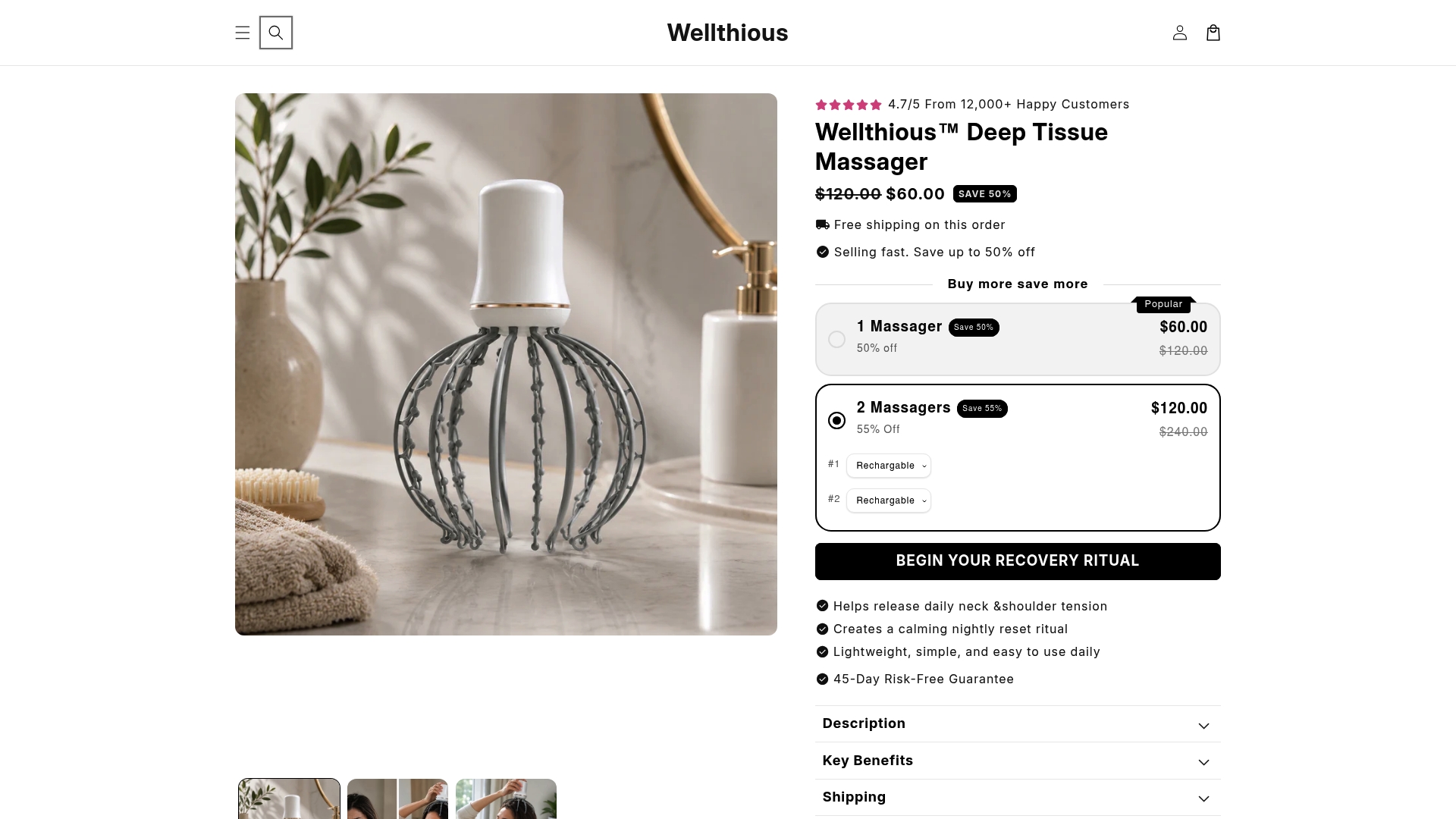
The Wellthious Stress Relief Massager targets muscle tension and nervous system activation in one session, making it a practical medium-term tool for daily use. The Wellthious Deep Tissue Massager goes further, addressing deeper muscle groups that carry chronic stress. Both products are designed to fit into an existing evening routine without adding complexity. You can browse the full range of home wellness tools at Wellthious and find the right fit for your stress pattern and budget.
FAQ
What is the most effective stress relief device for home use?
No single device is universally most effective. The best results come from combining a tactile tool for immediate relief, a sensory device for medium-term calming, and a habit-building tool for long-term resilience.
How does a weighted blanket reduce stress?
Weighted blankets use deep pressure stimulation to lower cortisol and increase serotonin and oxytocin. A blanket weighing about 10% of your body weight delivers the most consistent effect.
Are wearable stress relief devices worth the cost?
Wearable devices that monitor stress or stimulate the vagus nerve are worth the investment if you want data on your stress patterns. For basic daily relief, lower-cost sensory and tactile tools perform just as well.
Can supplements replace stress relief devices?
Supplements like magnesium glycinate, ashwagandha, and L-Theanine support the same nervous system pathways that devices target, but they work best as a complement, not a replacement.
When should I see a professional instead of using home devices?
Home stress relief devices are not a substitute for clinical care. If you experience persistent anxiety, panic attacks, or depression, consult a healthcare provider before relying on devices alone.